What Determines the Cost of Using a Digital Wallet?
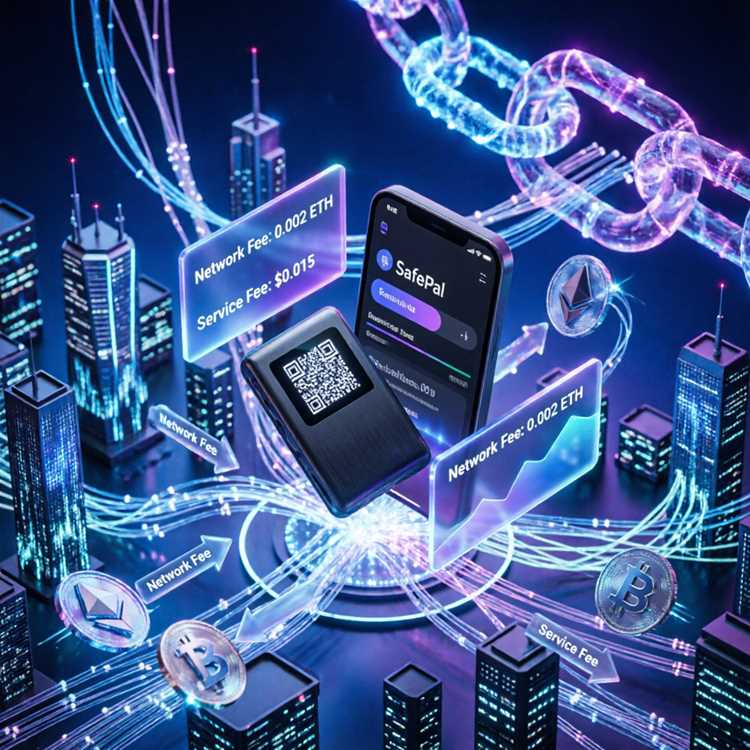
Knowing what you pay for crypto transactions helps you plan better. Many users worry about hidden charges. SafePal wallet fees are clear and depend on several factors. Each transaction has a different cost based on the blockchain used.
SafePal fees come from network activity, not from the wallet itself. For example, sending Ethereum costs more when the network is busy. Bitcoin fees also vary with demand. SafePal adds no extra markup on these base costs. You only pay what the blockchain requires.
Understanding these costs lets you choose the right time to move funds. Checking SafePal transaction fees before sending can save you money. The app shows estimated fees upfront. This guide breaks down every charge you might face.
How SafePal Structures Its Transaction Fees
SafePal wallet fees are tied to the blockchain you use. The wallet does not charge a separate fee. You pay the network fee set by miners or validators. SafePal provides a clear estimate before you confirm any action.
SafePal transaction fees depend on the asset and network congestion. For Bitcoin, fees are based on transaction size in bytes. For Ethereum, fees use gas units and gas price. The app lets you adjust the fee level.
You can choose between slow, average, and fast speeds. Selecting a slower option reduces SafePal cost but increases wait time. Fast options cost more but confirm quickly. This flexibility helps you control expenses.
Gas Fees on Ethereum and BSC
Ethereum and Binance Smart Chain use gas fees. Each operation requires a certain amount of gas. SafePal network fees for these chains include a gas limit and gas price. The app shows the total cost in the native token.
Transferring ERC-20 tokens usually costs more than BEP-20 tokens. BSC offers lower fees because of its design. SafePal pricing reflects these differences. Always check the chain before sending.
Bitcoin Transaction Fees
Bitcoin fees are based on data size. Sending a simple transaction uses about 250 bytes. SafePal exchange fees for Bitcoin depend on the number of inputs and outputs. The wallet recommends a fee based on current mempool conditions.
Using SegWit addresses reduces the data size. This lowers SafePal service charges for Bitcoin. SafePal Bitcoin transactions support SegWit by default. You can also use legacy addresses if needed.
Fees for Other Blockchains
Many other chains have their own fee structures. Solana, Polygon, and Avalanche have low costs. SafePal wallet fees for these chains are typically a fraction of a cent. The app shows the exact amount in the chosen network token.
Cross-chain transfers may involve bridge fees. These are separate from the network fee. SafePal swap fees for cross-chain swaps include a small service charge. Always review the details before confirming.
SafePal Swap Fees and Exchange Costs
Swapping tokens inside SafePal incurs a small fee. SafePal exchange fees include a 0.05% service charge per swap. This is lower than many centralized exchanges. The fee is taken from the swapped amount.
SafePal swap fees also include the network cost for the transaction. The total cost is shown clearly before you swap. You can compare rates from different decentralized exchanges. SafePal routes through multiple DEXs to get the best price.
SafePal instant exchange offers competitive rates. It uses liquidity from partners without extra markups. The final amount includes the service fee and network fee. Users can see the breakdown in the app.
How to Minimize Swap Costs
Choosing the right time reduces SafePal pricing. Swap during low network activity to save on gas. Use tokens on cheaper chains like BSC or Polygon. SafePal staking rewards can cover some fees over time.
Setting a lower gas price may delay the swap. But it can lower SafePal cost significantly. The app lets you customize the gas price for swaps. Always check the estimated time for each option.
Comparison with Other Wallets
Many wallets charge similar network fees. SafePal wallet fees are competitive because they add no hidden extras. Some wallets charge a flat percentage per swap. SafePal charges only 0.05% plus the network fee.
Hardware wallets like Ledger also have swap fees from third parties. SafePal hardware vs software shows that the software version has the same fee structure. The hardware wallet only adds the cost of the device itself.
SafePal Service Charges for Staking and Other Features
SafePal service charges for staking are minimal. The platform takes a small commission from staking rewards. SafePal staking lets you earn passive income on supported tokens. The commission is deducted from the reward.
Staking fees vary by asset. For example, staking BNB may have a 10% commission on rewards. This is standard across many staking providers. SafePal cost for staking is transparent in the staking page.
Other features like buying crypto with fiat involve third-party fees. SafePal does not charge extra for using the fiat ramp. The payment processor sets its own rates. SafePal service charges for these are zero.
Fiat Purchase Fees
Buying crypto with a card or bank transfer has fees from the provider. SafePal wallet fees for fiat purchases are not from SafePal. The partner like Simplex or MoonPay charges 2% to 5% depending on the method.
SafePal mobile trading allows you to buy directly. The app shows the total cost including the partner fee. You can compare different payment options. The fee is included in the price displayed.
Fee for Generating a Seed Phrase
Creating a SafePal seed phrase is free. The wallet generates a random phrase during setup. SafePal seed phrase backup is essential for security. There is no cost to write down or restore your phrase.
Recovering a wallet using a seed phrase also has no fee. SafePal service charges for wallet restoration are zero. Only network fees apply when you send funds after recovery.
Comparing SafePal Fees with Competitors
SafePal wallet fees are generally lower than those of many competitors. For network fees, all wallets are equal because they pass through the same blockchain costs. The difference lies in additional service charges.
SafePal exchange fees of 0.05% are lower than Trust Wallet’s 0.1% for swaps. MetaMask charges a similar 0.05% but may have slippage. SafePal pricing remains competitive, especially for large swaps.
Below is a table comparing SafePal fees with other popular wallets for a typical swap of 100 USDT on Ethereum.
| Wallet | Swap Fee | Network Fee (average) | Total Cost |
|---|---|---|---|
| SafePal | 0.05% | $2.50 | $2.55 |
| Trust Wallet | 0.1% | $2.50 | $2.60 |
| MetaMask | 0.05% | $2.50 | $2.55 |
| Exodus | 0.1% – 0.5% | $2.50 | $2.60 – $3.00 |
SafePal wallet fees are among the lowest. The differences are small for small amounts. For larger swaps, the savings add up. SafePal also offers a hardware wallet for offline storage.
How to Check SafePal Fees Before a Transaction
Before sending or swapping, SafePal shows an estimate. The app displays SafePal transaction fees in the confirmation screen. You can see the fee in the native token and in USD. This helps you decide.
To view fees, go to the send or swap screen. The fee is shown below the amount. Tap on the fee to see a breakdown. You can adjust the gas price for on-chain transactions.
SafePal pricing for swaps appears as a percentage. The network fee is separate. The total is clearly marked. Always review the details before confirming.
Step-by-Step: Checking Fees in the App
- Open the SafePal wallet app.
- Select the token you want to send or swap.
- Enter the amount. The app will calculate the fee.
- Look for the fee line in the confirmation screen.
- Tap the fee to see the network cost and service charge.
- Adjust the fee level if needed.
- Confirm the transaction.
SafePal cost is always transparent. You never see surprise charges. The app updates fees in real time based on network conditions.
Hidden Costs to Avoid
Some users worry about hidden SafePal service charges. These do not exist. The wallet does not charge monthly fees or inactivity fees. SafePal wallet fees are only for active transactions.
However, transferring tokens to the wrong network can cost you. Sending BEP-20 tokens to an ERC-20 address may lose funds. Always double-check the network. SafePal warns you before sending.
Using a high gas price unnecessarily increases SafePal network fees. Choose the standard fee unless you are in a hurry. SafePal seed phrase recovery is free, but losing your phrase can cost everything. Keep it safe.
Common Mistakes That Increase Fees
- Using a congested network like Ethereum during peak hours.
- Selecting a high gas price when a lower one is sufficient.
- Swapping small amounts frequently instead of batch transactions.
- Not using SegWit addresses for Bitcoin transactions.
- Forgetting to switch to a cheaper chain like BSC or Polygon.
SafePal instant exchange can help you avoid high fees by routing through optimal chains. The app suggests the best path. Pay attention to the recommendations.
Frequently Asked Questions About SafePal Fees
This section answers common questions about SafePal wallet fees and costs.
Does SafePal charge a monthly fee?

No. SafePal does not charge any monthly or annual fees. The app is free to download and use. SafePal service charges only apply to swaps and staking commissions.
Why are SafePal transaction fees sometimes high?
High fees are due to network congestion. SafePal wallet fees reflect the blockchain’s current demand. When Ethereum is busy, gas prices rise. The wallet shows the fee before you confirm.
Can I reduce SafePal network fees?
Yes. Choose a slower transaction speed. Use tokens on chains with lower fees like BSC, Polygon, or Solana. SafePal swap fees also include a 0.05% service charge which is fixed.
Are SafePal exchange fees the same for all tokens?
SafePal exchange fees are 0.05% for all swaps. The network fee varies by token and chain. SafePal pricing for swaps does not change based on the token type.
Does SafePal charge for receiving crypto?
No. Receiving crypto is free in SafePal. Only the sender pays SafePal network fees. The recipient does not incur any charges.
What is the SafePal cost for staking?
SafePal takes a commission from staking rewards, typically around 10% of the reward. The exact percentage varies by asset. SafePal staking is optional and clearly shows the expected return.
Is there a fee to transfer from SafePal to another wallet?
Yes, you pay the network fee for the outgoing transaction. SafePal wallet fees for sending are the same as the blockchain fee. No additional service charge is added.
SafePal wallet fees are transparent and competitive. Using the tips in this guide, you can manage SafePal cost effectively. The safepal wallet offers a low-cost way to manage your crypto. For fast swaps, use the SafePal instant exchange. Storing Bitcoin? Check SafePal Bitcoin support. Earn rewards with SafePal staking. Trade on the go with SafePal mobile trading. Learn more about the platform at safepal. Protect your funds with a SafePal seed phrase. Compare options with SafePal hardware vs software.